GST Registration in India for Businesses and Professionals
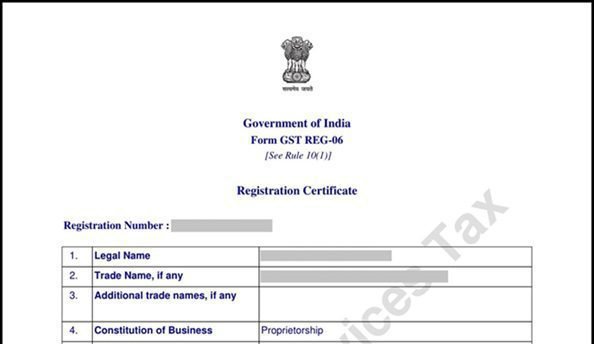
Goods and Services Tax forms an important part of the indirect tax framework for businesses supplying goods or services throughout the country. GST registration in India is necessary for businesses meeting prescribed eligibility conditions, while some entities may opt for voluntary registration based on their commercial requirements. Registration gives an eligible taxpayer a unique GST identification number and enables the business to collect applicable tax, issue compliant invoices and meet return filing obligations. Business owners, professionals, traders, manufacturers, service providers and expanding enterprises should understand when GST registration in India becomes necessary and what responsibilities follow after approval. Proper registration can help a business maintain organised tax records, work with registered customers and manage input tax credit where allowed under applicable rules.
What GST Registration Means for a Business
gst registration formally places an eligible business within the Goods and Services Tax framework. Once registered, the business receives a GST identification number connected with its legal and tax-related details. This number is commonly used on invoices, tax documents and other relevant business records. Registration is more than an administrative formality because it creates ongoing responsibilities for the taxpayer. A registered business may be required to charge the appropriate GST rate, maintain records, submit returns and pay tax within prescribed deadlines. The exact compliance requirements can depend on turnover, business activity, registration type, location and other factors. Business owners should therefore understand both the benefits and responsibilities before completing registration.
Who May Need GST Registration in India
The requirement for GST registration in India depends on the type and scale of the business. Turnover is one of the important factors used to determine whether registration becomes compulsory, although specific activities and business situations can also create registration requirements. Businesses operating across state borders, certain e-commerce participants, taxable suppliers and other specified categories may be covered by particular rules. Thresholds and conditions can differ according to the type of supply and applicable provisions. New businesses should review their expected turnover and operating model carefully instead of waiting until compliance becomes urgent. Existing businesses should also track changes in turnover, products, services and business locations to determine whether their registration position has altered.
Benefits of Completing GST Registration
For businesses that qualify, GST registration in India can offer several practical benefits. Registration enables a taxpayer to issue GST-compliant invoices and collect tax where applicable. It may also support input tax credit claims when eligible purchases and documentation satisfy the required conditions. This can be particularly important for businesses that regularly purchase taxable goods or services for commercial use. Registered status may also be preferred by larger customers, corporate buyers and vendors that maintain formal procurement systems. Additionally, organised GST records can make it easier to review sales, purchases, tax payments and overall business performance. These benefits are most valuable when registration is supported by accurate accounting and timely compliance.
Documents Commonly Required for Registration
The documents required for GST registration can vary according to the legal structure and circumstances of the applicant. Businesses are generally expected to provide identity details, tax identification information, business constitution records, address evidence and banking or financial details where required. A proprietorship may require a different set of supporting documents compared with a partnership, limited liability partnership or company. Proof relating to the principal place of business is also important because registration is connected with the location from which taxable activities are carried out. Applicants should make sure that names, addresses and identification details remain consistent across supporting records. Discrepancies or incomplete information may result in queries or processing delays.
Understanding the GST Registration Process
The GST registration in India process generally begins with the submission of applicant and business information through the prescribed tax registration system. Information relating to the business structure, promoters or partners, place of business, goods or services and other required details is entered as part of the application. Supporting documents are then provided for verification. The authorities may approve the application when the information is complete and satisfactory, or request clarification when additional evidence is required. Applicants should respond carefully to any queries and submit accurate supporting information. Once registration is approved, the taxpayer receives the relevant registration details and can begin meeting the compliance responsibilities associated with registered status.
Importance of Providing the Correct Business Details
Accuracy is especially important during GST registration in India because the information provided becomes part of the taxpayer's official registration record. The legal name, trade name, business structure, principal place of business and activity details should reflect the actual organisation. Incorrect information can create difficulties later when issuing invoices, opening additional locations, updating records or dealing with compliance matters. Businesses should also select relevant activity categories carefully and make sure supporting documents correspond with the application. If important business details change following registration, appropriate amendments may be necessary. Maintaining accurate registration information helps create consistency between accounting records, tax filings and operational documents.
GST Registration for New and Expanding Businesses
Start-ups and small enterprises may initially operate below the applicable compulsory registration threshold, but their position can change as sales increase or business activities expand. A company that begins serving customers in new regions, introduces new products or enters larger supply arrangements may need to reconsider whether GST registration is necessary. Voluntary registration may also be considered in certain situations, particularly where customers prefer dealing with registered suppliers or where eligible input tax credit is commercially relevant. However, voluntary registration also brings ongoing filing and record-keeping responsibilities. The decision should therefore consider expected revenue, customer profile, purchase structure, administrative capacity and future growth rather than focusing only on immediate tax collection.
Responsibilities After GST Registration
Registration is the beginning of ongoing compliance rather than the end of the process. A registered taxpayer may be required to issue compliant tax invoices, maintain purchase and sales records, submit applicable returns and pay tax by the required deadlines. Businesses should also reconcile accounting information with GST records to identify missing invoices, inaccurate values or differences in tax treatment. Input tax credit should only be claimed where eligibility requirements are met and suitable supporting documentation is available. Regular reviews of records can reduce errors and make return preparation easier to manage. Businesses should also keep track of changes in their activities because changes in address, ownership details or gst registration in India other registration information may require formal updates.
Common Mistakes to Avoid During GST Registration
A number of avoidable mistakes can complicate GST registration india. Applicants may provide inconsistent names, submit outdated address documents, select incorrect business categories or provide incomplete information. Another common problem is applying without first understanding whether registration is compulsory, voluntary or linked to a specific business situation. Problems can also arise when businesses treat registration as a one-time task and overlook continuing return filing and record maintenance. Careful preparation is therefore important. Applicants should review all details before submission, organise supporting documents and understand the compliance responsibilities that will apply after registration is approved.
Conclusion
gst registration in India is an important compliance requirement for businesses covered by the applicable rules and can also be a strategic consideration for certain voluntarily registered enterprises. Understanding eligibility, documentation, application details and post-registration responsibilities helps businesses approach the process with greater confidence. Accurate information, well-organised records and timely tax compliance are essential for maintaining registered status and reducing unnecessary difficulties. Whether the applicant is a new entrepreneur, an established trader, a professional service provider or an expanding company, GST registration should be regarded as part of wider financial and regulatory planning. A careful approach from the beginning can support cleaner accounting, proper invoicing and more consistent tax management as the business develops.
Comments on “The Must Know Details and Updates on GST registration india”